
Understanding How Does Third Party Logistics Work is one thing . Understanding exactly how it works — from the moment inventory arrives at a warehouse to the second a package reaches a customer’s doorstep — is what turns curiosity into confidence.
For businesses considering a 3PL partnership, the operational details matter. How are orders processed? What happens behind the scenes in a fulfilment warehouse? How is inventory tracked, and who coordinates the carriers?
In this guide, the complete third party logistics process is broken down step by step, the daily operations that keep a 3PL running are explained, and a clear picture of what working with a logistics provider actually looks like in practice is provided.
What Do Third Party Logistics Companies Do?
At the most fundamental level, third party logistics companies manage and how does third party logistics Work? the physical movement and storage of products on behalf of other businesses. Instead of a company operating its own warehouse, hiring its own fulfilment staff, and negotiating its own carrier contracts, these responsibilities are handed to a specialized 3PL partner.
The core functions handled by a 3PL provider include:
• Inventory receiving and warehousing — Products are accepted, inspected, and stored in the provider’s facility • Order fulfilment — Customer orders are picked, packed, and prepared for shipment • Shipping and carrier management — The optimal carrier and service level are selected for each package • Returns processing — Returned items are received, evaluated, and restocked or disposed of • Inventory management — Stock levels are monitored in real time, with reporting and alerts provided to the client • Distribution and freight coordination — Larger shipments, B2B deliveries, and cross-docking operations are managed
how does third party logistics Work?In short, a third party logistics company becomes an extension of the business it serves — managing the operational backbone of the supply chain so that internal teams can focus on product development, marketing, and growth.
The Third Party Logistics Process: Step by Step
Every 3PL operation follows a structured workflow. While specific details vary between providers, the fundamental process remains consistent. Here is how does third party logistics Work from start to finish.
Step 1: Onboarding and Integration
Before a single product is shipped, a setup phase is completed. This is where the foundation of the partnership is built.
During onboarding, the following tasks are handled:
• Service agreements and pricing structures are finalized • The client’s e-commerce platform, order management system, or ERP is integrated with the 3PL’s warehouse management system (WMS) • SKU catalogues are configured — every product is assigned a unique identifier for accurate tracking • Storage requirements are assessed (standard shelving, pallet racking, temperature-controlled zones, or specialized areas for regulated goods) • Custom fulfilment workflows are designed based on the client’s packaging, branding, and shipping preferences
For businesses selling through platforms like Shopify, Amazon, or WooCommerce, e-commerce fulfilment integration ensures that orders flow automatically from the online store into the 3PL’s processing queue — eliminating manual data entry and reducing errors.
Step 2: Inventory Receiving
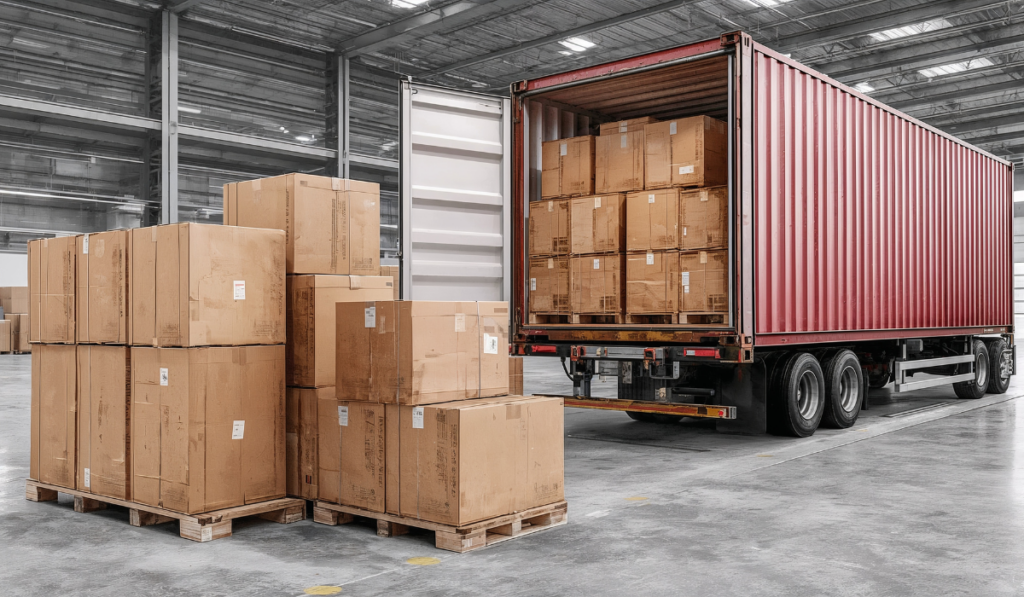
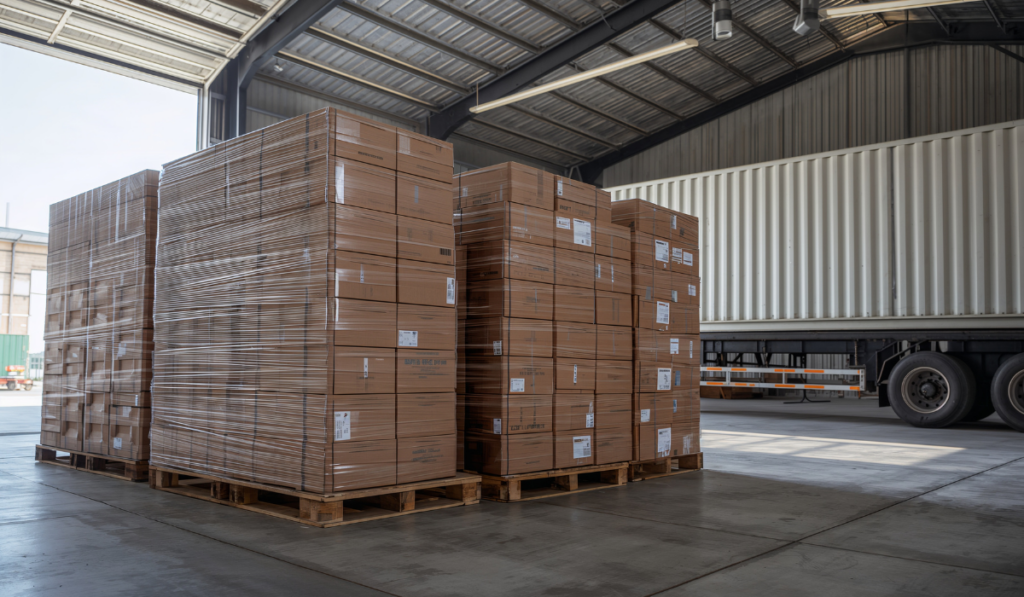
Once the partnership is live, inventory begins arriving at the 3PL warehouse. The receiving process is more involved than simply unloading boxes. Each shipment must be:
• Unloaded from the delivery truck, container, or courier • Inspected for damage, quantity discrepancies, or missing items • Counted and verified against the purchase order or advance shipping notice (ASN) • Labelled with warehouse barcodes if not already tagged • Logged into the inventory management system with accurate quantities and lot information • Stored in the designated warehouse location (bin, shelf, pallet position, or specialized zone)
Accuracy at the receiving stage is critical. A miscount or mislabelled item at this point can cascade into fulfilment errors, stockouts, and customer complaints down the line.
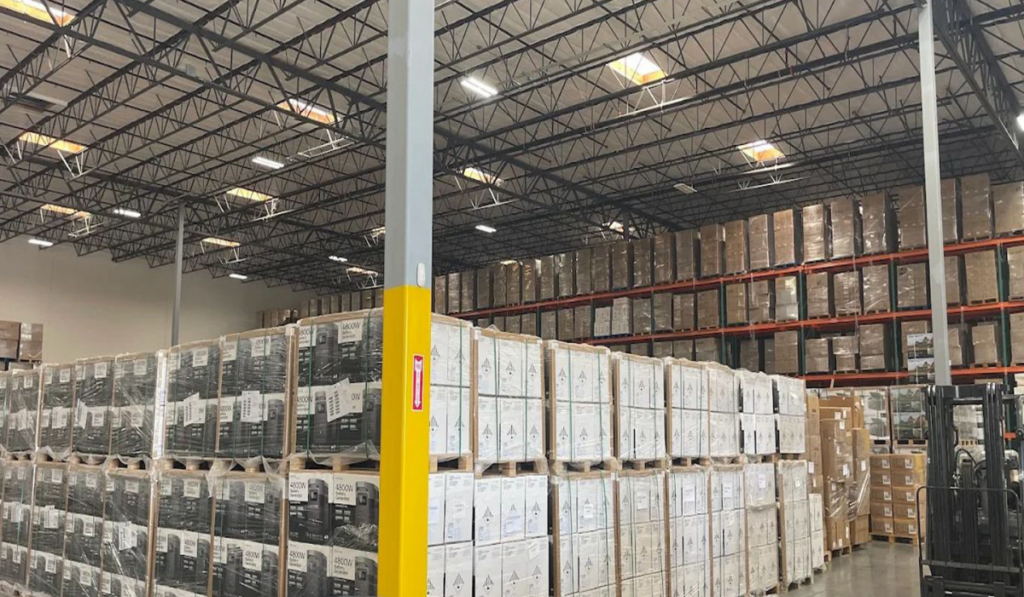
For products with regulatory requirements — such as pharmaceutical goods, natural health products, or chemical materials — additional compliance checks are performed during receiving. At Delibrex, Health Canada Licensed protocols and WHMIS/TDG handling procedures are applied to every qualifying shipment that enters the facility.
Step 3: Warehousing and Inventory Management
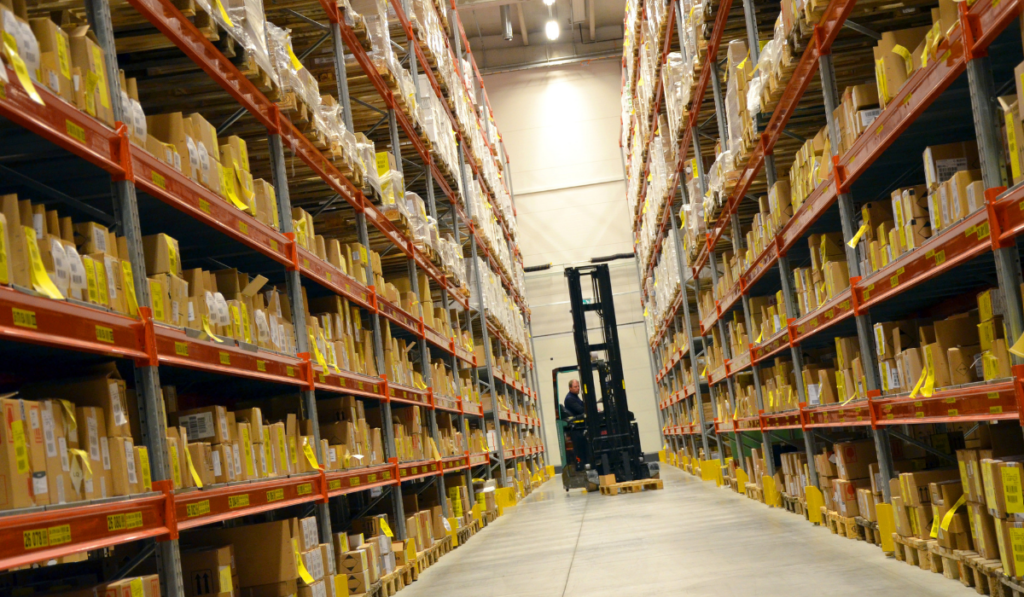
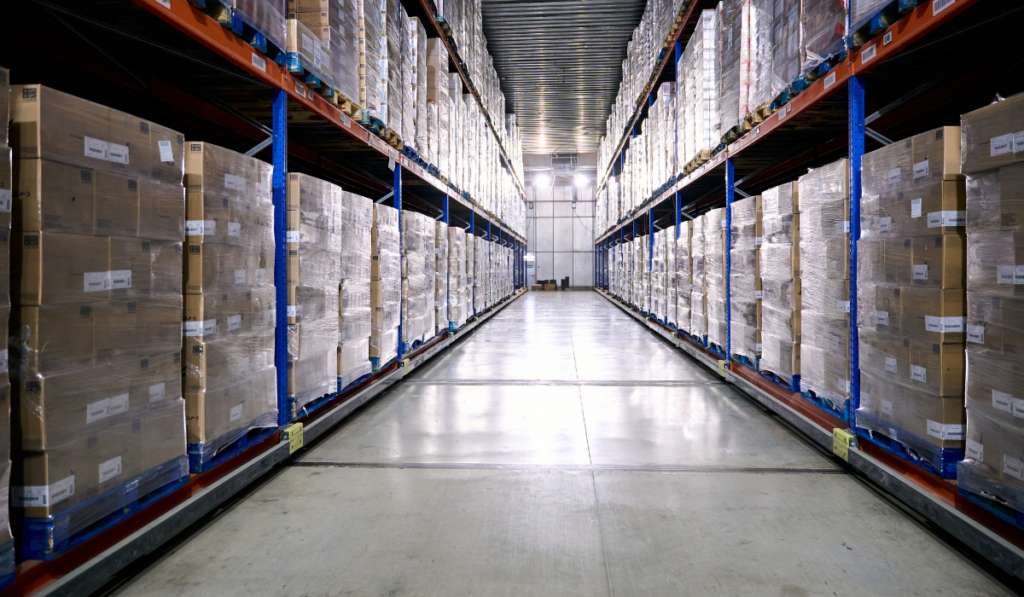
With inventory received and stored, the warehousing phase begins. This is not passive storage — it is an actively managed operation that runs continuously.
Key warehousing activities include:
• Inventory tracking — Every item’s location, quantity, and status are monitored in real time through the warehouse management system • Stock rotation — FIFO (first in, first out) or FEFO (first expiry, first out) methods are applied to prevent product expiration or obsolescence • Cycle counting — Regular inventory audits are conducted to maintain accuracy without shutting down operations for a full count • Replenishment — Pick locations are restocked from bulk storage as inventory levels drop • Climate monitoring — For temperature-controlled zones, environmental conditions are tracked and maintained within required ranges • Client reporting — Inventory dashboards and portal access provide businesses with full visibility into their stock at all times
Delibrex’s two Edmonton warehouses support a wide range of storage configurations — from standard pallet racking and bin shelving to temperature-controlled environments, food-grade areas, and dedicated zones for chemical and dangerous goods. This versatility allows a single provider to manage diverse product types under one roof.
Step 4: Order Processing
When a customer places an order — whether through an online store, a B2B purchase order, or a manual submission — the order data is transmitted to the 3PL’s system. This is where the fulfilment engine activates.
The order processing workflow includes:
• Order capture — The order details (items, quantities, shipping address, service level) are received automatically via the integrated platform or entered manually • Validation — The order is checked against available inventory to confirm that all items are in stock • Prioritization — Orders are queued based on shipping service level, cutoff times, and any special handling instructions • Assignment — The order is assigned to a warehouse picker with a pick list specifying the exact item locations
For e-commerce businesses, this entire sequence happens automatically. An order placed on Shopify at 10:00 a.m. can be in the picking queue by 10:01 a.m. — with no human intervention required on the client’s side.
Step 5: Picking
Picking is the physical act of retrieving the ordered items from their warehouse locations. It is one of the most labour-intensive stages in the fulfilment process and one of the most critical to get right.
Common picking methods used in 3PL operations include:
• Single-order picking — One order is picked at a time (best for low-volume or complex orders) • Batch picking — Multiple orders are picked simultaneously by collecting all required items in a single pass through the warehouse • Zone picking — The warehouse is divided into zones, and pickers are assigned to specific areas to reduce travel time • Wave picking — Orders are grouped and released in scheduled waves based on carrier cutoff times or priority levels
The method used depends on the warehouse layout, order volume, and product mix. Regardless of the approach, accuracy is paramount. Barcode scanning is used at each step to verify that the correct item and quantity are pulled — reducing mispick rates to fractions of a percent.
Step 6: Packing
Once items are picked, they move to the packing station. Here, orders are prepared for shipment with attention to both protection and presentation.
The packing process involves:
• Product inspection — A final quality check ensures the correct items are present and undamaged • Packaging selection — The appropriate box, mailer, or envelope is chosen based on item size, weight, and fragility • Protective materials — Bubble wrap, void fill, tissue paper, or foam inserts are added as needed • Custom branding — For clients requesting branded unboxing experiences, custom boxes, tissue, stickers, or promotional inserts are included • Documentation — Packing slips, invoices, or regulatory documents are enclosed if required • Sealing and labelling — The package is sealed and the shipping label is applied
Efficient packing balances speed with care. The goal is to minimize dimensional weight (keeping shipping costs down) while ensuring the product arrives in perfect condition.
Step 7: Shipping
With the package sealed and labelled, the shipping stage begins. This is where the 3PL provider’s carrier network becomes a major advantage.
Key activities during shipping include:
• Carrier selection — The optimal carrier (Canada Post, FedEx, UPS, Purolator, or regional couriers) is chosen based on destination, package dimensions, service level, and cost • Rate optimization — Volume-negotiated rates are applied, ensuring lower per-package costs than businesses could secure independently • Manifest generation — Carrier manifests are prepared for scheduled pickups • Tracking transmission — Tracking numbers are pushed back to the client’s system and, in most cases, directly to the end customer via email or SMS notification • Carrier pickup — Packages are consolidated and handed off to the carrier for transportation
For businesses requiring broader distribution services — such as B2B freight shipments, cross-docking, or multi-stop delivery routes — the 3PL provider coordinates these logistics as well.
Step 8: Returns Processing (Reverse Logistics)
The fulfilment cycle does not end at delivery. Returns are an inevitable part of commerce, and a well-managed returns process is essential to maintaining customer satisfaction and inventory accuracy.
When a return arrives at the 3PL warehouse, the following steps are taken:
• Receiving and identification — The returned package is logged and matched to the original order • Inspection — The item is examined for damage, defects, or signs of use • Disposition — Based on the client’s return policy, the item is either restocked into sellable inventory, set aside for refurbishment, or marked for disposal • Inventory update — The warehouse management system is updated to reflect the returned item’s status • Client notification — A return report is sent to the business, confirming the item’s condition and disposition
Is Third Party Logistics Outsourcing?
Yes — third party logistics is a form of outsourcing. Specifically, it is the outsourcing of supply chain and logistics functions to an external specialist.
However, the term “outsourcing” sometimes carries a negative connotation that does not apply here. Unlike offshoring or cost-cutting measures that sacrifice quality, 3PL outsourcing is a strategic decision to place logistics operations in the hands of a dedicated expert.
The distinction is important:
| In-House Logistics | 3PL Outsourcing |
|---|---|
| Managed by internal staff | Managed by a specialized logistics partner |
| Requires owned or leased warehouse space | Uses the provider’s established facilities |
| Limited carrier negotiating power | Access to volume-negotiated shipping rates |
| Compliance managed internally | Compliance expertise included |
| Scalability limited by owned infrastructure | Scales on demand without capital investment |
For most growing businesses, the question is not whether logistics should be outsourced — it is when. The transition from in-house to 3PL typically happens when order fulfilment volume reaches a point where internal operations become a bottleneck rather than a competitive advantage.
What Makes a 3PL Operation Reliable?
Not every third party logistics company operates at the same standard. The difference between a dependable provider and a problematic one often comes down to several operational fundamentals:
• Technology infrastructure — A modern warehouse management system with real-time tracking, automated order routing, and client portal access is essential • Accuracy metrics — Top-tier 3PL providers maintain order accuracy rates above 99.5%, verified through barcode scanning and multi-point quality checks • Compliance capabilities — For regulated industries, certifications such as Health Canada licensing, WHMIS compliance, and TDG authorization are non-negotiable • Carrier diversity — A multi-carrier network ensures reliable delivery options and cost optimization, even when individual carriers experience disruptions • Experienced workforce — Fulfilment is a hands-on operation. Trained, experienced warehouse staff are the backbone of accurate, efficient order processing • Transparent communication — Regular reporting, responsive account management, and proactive issue resolution build the trust that a long-term partnership requires
Delibrex has been refining these operational standards for over 50 years. As a family-owned Canadian 3PL provider with two Edmonton warehouses, Health Canada Licensed facilities, and partnerships with Canada Post, FedEx, UPS, and Purolator, the infrastructure and expertise are proven — not theoretical.
See How Does Third Party Logistics Work
Understanding How Does Third Party Logistics Work is the foundation for making a confident outsourcing decision. The process — from receiving and warehousing to picking, packing, shipping, and returns — is designed to be seamless, scalable, and fully transparent.
For businesses ready to explore what a 3PL partnership How Does Third Party Logistics Work looks like in practice, a conversation with an experienced provider is the best next step.
Request a free quote from Delibrex and discover how a proven, Canadian-built logistics operation can support your growth.
Frequently Asked Questions
How does third party logistics work?
Third party logistics works by outsourcing warehousing, fulfilment, and shipping operations to a specialized provider. Inventory is stored in the 3PL’s warehouse, and when orders are placed, items are picked, packed, and shipped through the provider’s carrier network — all managed through integrated technology systems.
What do third party logistics companies do?
Third party logistics companies manage the storage, fulfilment, and distribution of products on behalf of other businesses. Core functions include inventory receiving, warehouse storage, order picking and packing, shipping coordination, returns processing, and real-time inventory tracking through client-accessible reporting systems.
What are third party logistics companies?
Third party logistics companies — also known as 3PL providers — are businesses that specialize in managing outsourced supply chain operations. They own or operate warehouse facilities, maintain carrier relationships, and provide the technology and labour needed to store, fulfil, and ship products for their clients.
Is third party logistics outsourcing?
Yes. Third party logistics is a form of strategic outsourcing where supply chain functions are entrusted to a specialized external provider. Unlike general outsourcing, 3PL is designed to improve efficiency, reduce costs, and provide access to logistics expertise and infrastructure that would be costly to build in-house.
How long does 3PL order processing take?
Processing times depend on the provider and order complexity, but most established 3PL operations process and ship standard orders within 24 to 48 hours of receipt. Orders placed before daily cutoff times are typically shipped the same business day.
What technology do 3PL companies use?
3PL providers use warehouse management systems (WMS) for inventory tracking, barcode scanning for pick accuracy, automated order routing from integrated e-commerce platforms, carrier rate-shopping software for shipping optimization, and client portals for real-time reporting and visibility.